For decades, industrial hearing conservation has been driven by a single motivating factor: regulatory compliance. In noisy environments where occupational hazards are part of the daily routine, safety managers have focused on meeting baseline standards, checking off the mandatory OSHA or MSHA boxes, and supplying whatever generic earplugs fit the corporate budget.
However, an uncomfortable truth is emerging across the global landscape: compliance alone does not guarantee protection.
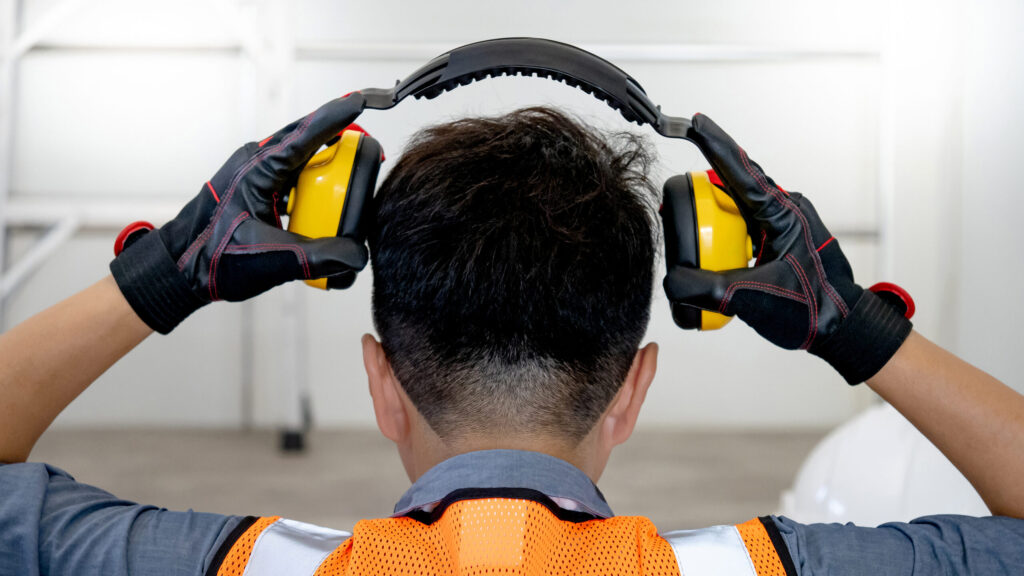
Traditional models rely heavily on passive, one-size-fits-all foam plugs or basic earmuffs designed for low cost rather than verified results. However, real-world protection often falls short of a product’s advertised noise reduction rating due to factors such as poor fit, improper insertion, inconsistent use, and individual variations in ear anatomy.
To build safe, thriving organizations, modern providers and safety officers must evolve. True success means shifting from the “era of assumed protection” to a model of individualized, lifelong hearing wellness.
The Illusion of the Compliance Checkbox
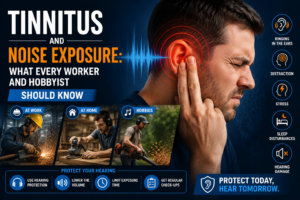
Occupational noise-induced hearing loss (NIHL) remains one of the most common workplace injuries worldwide. Nearly 20% of European workers are exposed to hazardous noise levels, while 1 in 4 workers in Canada face identical challenges.
When a facility strictly limits its focus to avoiding regulatory fines, it relies on static snapshots of noise exposure, such as traditional sound level meters or isolated noise dosimeters. This reactive approach neglects real-world variables:
- Anatomical Mismatch: Generic plugs rarely seal a dynamic, moving ear canal effectively during a long physical work shift.
- The Communication Compromise: When workers feel isolated by over-attenuation, they intentionally pull their earplugs out to speak with teammates, leaving their hearing exposed to dangerous impulse noises.
- The 24-Hour Hearing Journey: A worker’s ears do not reset when they punch the clock at 5:00 PM.
Shifting Focus: From Assumed to Verified Protection
Moving beyond basic compliance requires a foundation built on precision, customization, and verified care. Modern practices are utilizing three distinct pillars to establish true preventative wellness:
1. Digital Fit-Check Verification
The era of guessing whether a worker has inserted an earplug correctly is ending. Advanced fit-testing systems, such as microphone-in-real-ear technology, measure the actual noise attenuation inside an individual’s ear canal. This approach provides documented, traceable proof that the user is adequately protected against the unique sound profiles of their specific role.
2. Custom-Fit “Prescription” Protection
Just as vision care relies on personalized prescriptions rather than generic safety glasses, hearing protection requires an individual approach. Custom-molded protectors, built from physical impressions or non-invasive 3D digital ear scans, match the exact shape of the user’s ear. They offer long-term comfort, reduce acoustic leakage, and support targeted filtration, allowing speech frequencies to pass through while dangerous sound levels are attenuated.
3. AI-Driven Ear-Level Computers
Hearing protection is rapidly shifting away from passive physical barriers and toward intelligent electronic systems. Modern, programmable ear-level devices utilize built-in artificial intelligence to track real-time noise exposure throughout entire work shifts, adjust processing based on current noise levels, and integrate seamlessly into broader workplace safety dashboards.
Capitalizing on the “Crossover Effect”
When a company elevates its hearing program from mandatory compliance to active wellness leadership, it unlocks a powerful behavioral pattern known as the crossover effect.
When employees experience the comfort, clarity, and safety of a professionally fitted, custom hearing protector on the job, their safety habits follow them home. They begin using their specialized equipment during loud weekend hobbies, creating a continuous cycle of auditory preservation.
For hearing care practices, this represents a major avenue for sustainable growth. Providers who step onto the factory floor to offer specialized protection are not just servicing a corporate account; they are introducing a younger, highly active demographic to proactive auditory health decades before they ever require traditional assistive devices.
Actionable Steps for Safety Leaders and Providers
- Prioritize Verified Outcomes: Integrate physical fit-checking into standard safety protocols to verify real-world attenuation.
- Move Beyond Disposable Foam: Offer custom-molded, filtered solutions that improve long-term wearability and eliminate waste.
- Educate Globally and Holistically: Incorporate recreational noise awareness into regular industrial safety briefings.
- Embrace Smart Ecosystems: Explore programmable, app-supported hardware that balances situational awareness with reliable defense.
Final Thoughts: Designing the Future
According to Garry Gordon, the traditional boundaries between hearing protection, professional communication, and daily assistive technology are dissolving entirely. Today’s advanced hearing devices are no longer restricted to a single, isolated function; instead, they are merging into a unified ecosystem of intelligent, ear-level technology designed to seamlessly transition between work, recreation, and everyday life.
By building systems that focus on comprehensive prevention rather than simple regulatory compliance, organizations reduce legal liability, lower retraining costs, and shield their teams from irreversible auditory fatigue. Ultimately, true protection is never achieved by merely meeting a baseline standard; it is earned by respecting the individual needs of the human ear.