For years, industrial hearing conservation and recreational hearing protection have been treated as separate markets. Industrial programs focus on protecting workers from occupational noise exposure, while recreational hearing protection serves individuals participating in activities such as shooting sports, aviation, motorsports, hunting, and live music. Although these areas may appear distinct, a closer examination reveals a powerful connection between them.
This connection, often overlooked by hearing professionals and safety leaders, is known as the industrial-to-recreational crossover effect. As awareness of hearing protection grows in one area of an individual’s life, it frequently influences behavior in another. Workers who become educated about hearing conservation on the job often begin seeking hearing protection during recreational activities. Likewise, recreational users who invest in custom hearing protection frequently develop a greater appreciation for workplace hearing conservation programs.
Understanding this crossover effect presents a significant opportunity for audiologists, hearing conservation specialists, manufacturers, and safety professionals. More importantly, it offers a pathway to better hearing health outcomes by promoting protection wherever hazardous noise exists.
Noise Exposure Does Not End When the Workday Ends
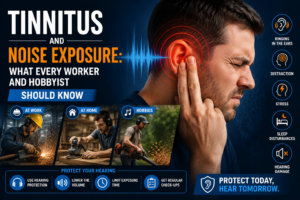
One of the biggest misconceptions in hearing conservation is the belief that hearing risk only exists in the workplace. While industrial environments certainly expose workers to hazardous noise levels, many employees encounter additional noise exposure during their personal time.
A manufacturing employee may spend weekends hunting or participating in shooting sports. An airline mechanic may also be a private pilot. A construction worker may enjoy motorcycle touring or motorsports events. Musicians, hobbyists, boaters, and outdoor enthusiasts often experience significant recreational noise exposure that adds to their daily occupational exposure.
When these combined exposures are considered, the total risk to hearing can be much greater than workplace measurements alone suggest.
Effective hearing conservation requires a broader perspective, one that recognizes hearing protection as a lifestyle commitment rather than simply a workplace requirement.
How Industrial Programs Create Recreational Demand
Industrial hearing conservation programs often serve as an individual’s first introduction to hearing protection. Through workplace training, hearing tests, and safety initiatives, employees learn about the risks associated with excessive noise exposure and the importance of preserving hearing.
For many workers, this education creates a new awareness that extends beyond the job site.
After learning about hearing conservation at work, employees often begin asking important questions:
- Should I protect my hearing when hunting?
- Is motorcycle wind noise damaging my ears?
- Are concerts affecting my hearing health?
- Could recreational shooting contribute to hearing loss?
These questions frequently lead individuals to seek more advanced hearing protection solutions for their personal activities.
This is where custom hearing protection becomes particularly valuable. Workers who experience the limitations of generic foam earplugs often become interested in custom-molded devices that offer improved comfort, communication, and performance.
In many cases, a workplace hearing conservation program becomes the starting point for a broader hearing wellness journey.
How Recreational Users Influence Workplace Protection
The crossover effect also works in the opposite direction.
Individuals who invest in premium recreational hearing protection often develop higher expectations for workplace hearing conservation. A competitive shooter using electronic hearing protection, for example, may become frustrated with outdated hearing protection options provided at work.
Similarly, a pilot using advanced communication headsets or a musician using high-fidelity filtered earplugs may recognize the benefits of customized solutions and begin advocating for better hearing protection practices within their workplace.
As more recreational users experience the advantages of custom and programmable hearing protection, demand grows for similar technologies in occupational settings.
This shift encourages employers to move beyond basic compliance and explore more effective hearing conservation strategies that prioritize both protection and user acceptance.
The Value of Custom Hearing Protection
At the center of the industrial-to-recreational crossover effect is the growing demand for personalized hearing protection.
Traditional foam earplugs remain common in many industries, but they often present challenges related to comfort, communication, consistency, and proper fit. As a result, many workers and recreational users struggle with compliance.
Custom hearing protection offers several advantages:
- Improved comfort during extended wear
- Consistent and reliable fit
- Better communication capabilities
- Activity-specific protection options
- Enhanced user satisfaction
Whether protecting workers on a factory floor or helping hunters preserve their hearing in the field, customized solutions create a superior experience that encourages long-term use.
A Growth Opportunity for Hearing Professionals
For hearing professionals, the industrial-to-recreational crossover effect represents a significant business opportunity.
Rather than viewing industrial hearing conservation and recreational audiology as separate services, practices can develop integrated programs that address both occupational and recreational hearing needs.
Employers, safety managers, shooting clubs, aviation organizations, motorsports groups, and music communities all represent potential partners in a comprehensive hearing conservation strategy.
When hearing professionals educate individuals about total noise exposure rather than isolated noise events, they position themselves as trusted hearing wellness advisors rather than simply service providers.
This approach creates stronger client relationships, expands referral opportunities, and supports long-term practice growth.
The Future of Comprehensive Hearing Conservation
The future of hearing healthcare lies in prevention, education, and personalized protection. As awareness of hearing health continues to increase, the distinction between occupational and recreational hearing conservation will become less important.
People do not separate their ears into workplace hearing and recreational hearing. Hearing is a lifelong asset that must be protected across every environment and activity.
The industrial-to-recreational crossover effect highlights an important reality: successful hearing conservation programs do not end at the factory gate, and recreational hearing protection does not exist in isolation from workplace safety.
By recognizing the connection between these two worlds, hearing professionals can help individuals protect their hearing more effectively while creating new opportunities for education, innovation, and growth. In doing so, they contribute to a future where hearing conservation becomes a normal part of everyday life rather than simply a workplace obligation.